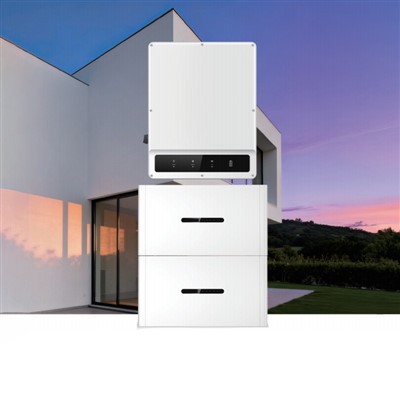
As a seasoned provider of Commercial and Industrial (C&I) Energy Storage Systems, I understand the pivotal role these systems play in modern business operations. Selecting the right energy storage system is not just a technical decision; it’s a strategic move that can significantly impact your business’s bottom line, sustainability goals, and overall operational efficiency. In this blog, I’ll share my insights on how to choose the perfect C&I Energy Storage System for your business. Commercial and Industrial Energy Storage System
Understanding Your Business Needs
The first step in choosing the right energy storage system is to thoroughly understand your business’s energy consumption patterns. Analyze your historical energy usage data to identify peak demand periods, off-peak hours, and any seasonal variations. This information will help you determine the capacity and power requirements of the energy storage system.
For instance, if your business experiences high energy demand during certain hours of the day, a system with a high power output and sufficient capacity to meet that demand is essential. On the other hand, if your energy consumption is relatively stable throughout the day, a system with a lower power output but larger capacity may be more suitable.
Another crucial aspect to consider is your business’s future growth plans. If you anticipate an increase in energy consumption in the coming years, it’s wise to choose an energy storage system that can be easily scaled up to accommodate the additional demand.
Evaluating Different Energy Storage Technologies
There are several types of energy storage technologies available in the market, each with its own advantages and limitations. The most common types include lithium-ion batteries, lead-acid batteries, flow batteries, and flywheels.
- Lithium-ion Batteries: These are the most popular choice for C&I energy storage systems due to their high energy density, long cycle life, and fast charging capabilities. They are suitable for a wide range of applications, from peak shaving to backup power.
- Lead-acid Batteries: Although they have a lower energy density compared to lithium-ion batteries, lead-acid batteries are more cost-effective and have a proven track record. They are commonly used in applications where cost is a major concern and the energy storage requirements are relatively low.
- Flow Batteries: Flow batteries offer a high level of flexibility and can be easily scaled up or down to meet different energy storage needs. They are particularly suitable for applications that require long-duration energy storage, such as grid stabilization and renewable energy integration.
- Flywheels: Flywheels are known for their high power density and rapid response times. They are ideal for applications that require short-term energy storage and high-power output, such as frequency regulation and voltage support.
When evaluating different energy storage technologies, it’s important to consider factors such as cost, performance, reliability, and safety. You should also assess the compatibility of the technology with your existing energy infrastructure and the specific requirements of your business.
Considering the System’s Integration and Compatibility
A C&I Energy Storage System is not a standalone device; it needs to be integrated with your existing energy infrastructure, including your electrical grid, renewable energy sources, and other energy-consuming equipment. Therefore, it’s crucial to ensure that the system you choose is compatible with your current setup and can be easily integrated without causing any disruptions.
Before making a decision, consult with a professional energy engineer or a system integrator who can assess your energy infrastructure and recommend the most suitable energy storage system. They can also help you with the installation, commissioning, and ongoing maintenance of the system.
Assessing the System’s Performance and Efficiency
The performance and efficiency of an energy storage system are key factors that can significantly impact its effectiveness and cost-effectiveness. When evaluating a system, look for metrics such as round-trip efficiency, self-discharge rate, and power conversion efficiency.
- Round-trip Efficiency: This measures the percentage of energy that is stored and then retrieved from the system. A higher round-trip efficiency means less energy is lost during the charging and discharging process, resulting in lower operating costs.
- Self-discharge Rate: This refers to the rate at which the system loses energy when it is not in use. A lower self-discharge rate means the system can retain its stored energy for a longer period of time, reducing the need for frequent recharging.
- Power Conversion Efficiency: This measures the efficiency of the system’s power electronics in converting the stored energy into usable electricity. A higher power conversion efficiency means more of the stored energy is available for use, resulting in higher overall system performance.
In addition to these metrics, it’s also important to consider the system’s response time and its ability to handle different types of loads. A system with a fast response time can quickly provide power during peak demand periods, while a system that can handle a wide range of loads can be used for a variety of applications.
Analyzing the Cost and Return on Investment
Cost is always a major consideration when choosing an energy storage system. However, it’s important to look beyond the upfront cost and consider the total cost of ownership, including installation, maintenance, and operating costs.
When evaluating the cost of a system, compare the prices of different technologies and manufacturers. Look for systems that offer a good balance between cost and performance. You should also consider the potential savings that the system can provide, such as reduced energy bills, peak shaving, and demand response incentives.
To determine the return on investment (ROI) of an energy storage system, calculate the payback period, which is the time it takes for the system to pay for itself through energy savings and other benefits. A shorter payback period means a higher ROI and a more attractive investment.
Reviewing the Manufacturer’s Reputation and Support
The reputation and support of the manufacturer are important factors to consider when choosing an energy storage system. Look for a manufacturer with a proven track record in the industry and a reputation for producing high-quality, reliable products.
Check the manufacturer’s customer reviews and testimonials to get an idea of their level of customer service and support. A manufacturer that offers comprehensive warranty coverage and ongoing technical support can provide you with peace of mind and ensure that your system operates smoothly for years to come.
Conclusion

Choosing the right Commercial and Industrial Energy Storage System for your business is a complex decision that requires careful consideration of several factors. By understanding your business needs, evaluating different energy storage technologies, considering the system’s integration and compatibility, assessing its performance and efficiency, analyzing the cost and return on investment, and reviewing the manufacturer’s reputation and support, you can make an informed decision that will benefit your business in the long run.
Energy Storage System If you’re interested in learning more about our C&I Energy Storage Systems or would like to discuss your specific energy storage needs, please don’t hesitate to contact us. Our team of experts is ready to assist you in finding the perfect solution for your business.
References
- DOE. (2023). Energy Storage Technologies. U.S. Department of Energy.
- IEA. (2023). Energy Storage Market Report. International Energy Agency.
- BloombergNEF. (2023). Energy Storage Outlook. Bloomberg New Energy Finance.
Shandong Yaoqian Energy Storage International Trade Co., Ltd.
We’re well-known as one of the leading commercial and industrial energy storage system manufacturers and suppliers in China, featured by quality products and good price. Please rest assured to buy customized commercial and industrial energy storage system made in China here from our factory.
Address: Lithium Battery Industrial Park, Xingcheng Street, Zaozhuang High-tech Zone, Shandong Province, China
E-mail: boss@yaoqiansmart.com
WebSite: https://www.yaoqiansmart.com/
