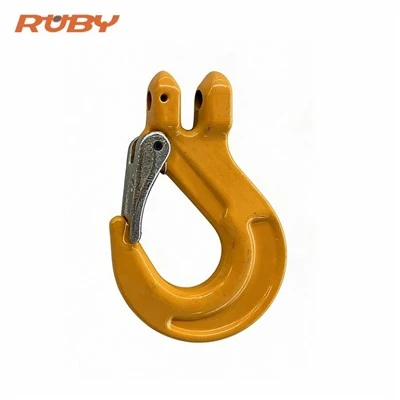
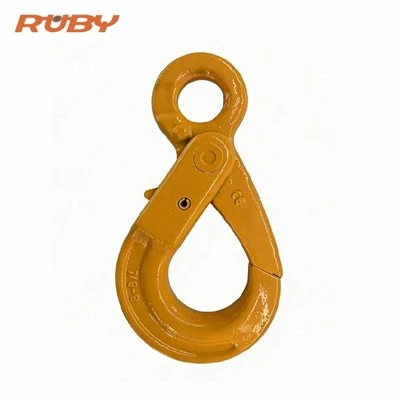
As a supplier of lifting components, I understand the critical importance of maintaining these components to ensure their longevity. Lifting components are the backbone of various industries, from construction and manufacturing to logistics and warehousing. Their proper maintenance not only extends their service life but also enhances safety and efficiency in operations. In this blog, I will share some practical tips on how to maintain lifting components effectively. Lifting Components
Regular Inspections
Regular inspections are the cornerstone of maintaining lifting components. They allow you to detect potential issues early on and take corrective actions before they escalate into major problems. Here are some key aspects to focus on during inspections:
Visual Inspections
Visual inspections should be conducted before each use of the lifting components. Check for any signs of damage, such as cracks, dents, or corrosion. Pay special attention to areas where stress is concentrated, such as welds and connection points. Look for loose or missing bolts, nuts, and pins, as these can compromise the integrity of the components.
Functional Inspections
In addition to visual inspections, functional inspections are also necessary to ensure that the lifting components are operating properly. Test the lifting mechanism, such as the hoist or winch, to make sure it is lifting and lowering smoothly. Check the brakes to ensure they are functioning correctly and can hold the load securely. Inspect the control system to ensure that all buttons and switches are working properly.
Load Testing
Periodic load testing is an important part of maintaining lifting components. It helps to verify the capacity and performance of the components under actual working conditions. Load testing should be conducted by a qualified professional using appropriate equipment. The load should be gradually increased to the rated capacity of the component and held for a specified period of time to check for any signs of deformation or failure.
Cleaning and Lubrication
Cleaning and lubrication are essential for maintaining the performance and longevity of lifting components. Dirt, debris, and moisture can cause corrosion and wear, which can lead to premature failure of the components. Here are some tips on how to clean and lubricate lifting components:
Cleaning
Regularly clean the lifting components to remove dirt, debris, and contaminants. Use a mild detergent and water to clean the surface of the components. Avoid using abrasive cleaners or solvents, as these can damage the finish of the components. After cleaning, dry the components thoroughly to prevent corrosion.
Lubrication
Lubrication is necessary to reduce friction and wear between moving parts. Use a high-quality lubricant that is suitable for the specific type of lifting component. Apply the lubricant to the moving parts according to the manufacturer’s recommendations. Be careful not to over-lubricate, as this can attract dirt and debris and cause more problems.
Proper Storage
Proper storage is important for maintaining the integrity of lifting components when they are not in use. Here are some tips on how to store lifting components:
Store in a Dry and Clean Environment
Store the lifting components in a dry and clean environment to prevent corrosion and damage. Avoid storing the components in areas where they are exposed to moisture, chemicals, or extreme temperatures.
Protect from Physical Damage
Protect the lifting components from physical damage by storing them in a safe place. Use appropriate storage racks or containers to keep the components organized and prevent them from being knocked over or damaged.
Cover the Components
Cover the lifting components with a protective cover to prevent dust and debris from accumulating on them. This will help to keep the components clean and reduce the risk of corrosion.
Training and Education
Proper training and education are essential for ensuring that the lifting components are used and maintained correctly. Here are some tips on how to provide training and education to your employees:
Provide Comprehensive Training
Provide comprehensive training to your employees on the proper use and maintenance of the lifting components. The training should include topics such as safety procedures, inspection techniques, cleaning and lubrication, and load testing.
Update the Training Regularly
Update the training regularly to ensure that your employees are aware of the latest safety standards and best practices. This will help to keep them up-to-date and reduce the risk of accidents and injuries.
Encourage Feedback
Encourage your employees to provide feedback on the training and the lifting components. This will help you to identify any areas that need improvement and make the necessary changes.
Conclusion
Lifting Point Maintaining lifting components is essential for ensuring their longevity and safety. By following the tips outlined in this blog, you can extend the service life of your lifting components and reduce the risk of accidents and injuries. Remember to conduct regular inspections, clean and lubricate the components, store them properly, and provide training and education to your employees. If you have any questions or need further assistance, please do not hesitate to contact us. We are a leading supplier of lifting components and can provide you with the highest quality products and services.
References
- American Society of Mechanical Engineers (ASME). (2019). B30.16 – Overhead Underhung and Stationary Hoists.
- Occupational Safety and Health Administration (OSHA). (2019). 29 CFR 1910.179 – Overhead and Gantry Cranes.
- National Fire Protection Association (NFPA). (2019). NFPA 110 – Emergency and Standby Power Systems.
Hangzhou Ruby Imp. & Exp. Co., Ltd.
As one of the most experienced lifting components manufacturers and suppliers in China, we offer a wide range of products with superior quality. We warmly welcome you to wholesale custom made lifting components at competitive price from our factory.
Address: Taoyuan Industrial Park, Puyang Town, Xiaoshan, Hangzhou, Zhejiang, China.
E-mail: Sales5@z2lifting.com
WebSite: https://www.rubylifting.com/
