Hey guys, let’s cut to the chase—if you’ve ever stared at a crumpled piece of paper, a dust bunny hiding in your car’s air vent, or a wet coffee ring on your kitchen counter and thought, “Could I just suck this up with my vacuum?” you’re not alone. I’m the owner of a vacuum cleaner supply company, and for as long as I’ve been in this game, people ask the wildest questions. The one that’s been popping up way too much lately? “Can a vacuum cleaner clean a windshield?” Vacuum Cleaner
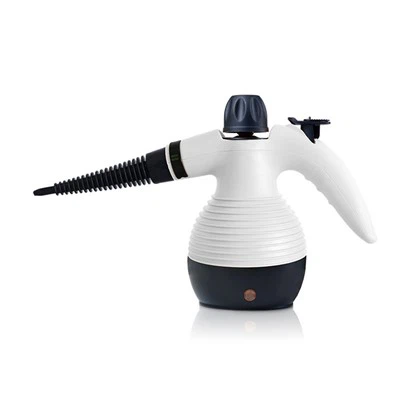
First off, let’s get real—most of the time when you hear this question, it’s from someone who watched a 10-second TikTok of a guy using a regular home vacuum on a fogged car window and calling it a “game hack.” But I’m not here to bash TikTok hacks (okay, maybe a little) or tell you it’s totally impossible. I’m here to break this down like I do for every client who calls me panicking about their specialty clean needs—science first, hype second.
Let’s start with what a windshield actually needs to be “clean.” I’m not talking about the random crumb that bounced off your snack onto the inside of your window. I’m talking about the three main types of gunk that ruin visibility: dust and road grime, bug splatter and tar, and the big one—moisture that causes fog. A standard upright or canister vacuum you have at home? Let’s talk about how those work first. Most home vacuums are built for dry, fine-to-medium particles—dust, pet hair, crumbs, the occasional Lego piece that fell under the couch. Their suction is measured in airwattage, right? Average home vacs are like 50 to 120 airwatts. That’s fine for sucking up stuff from carpet, but what does that have to do with windshields?
Wait, let’s split this into two parts: cleaning the exterior of the windshield, and cleaning the interior (which is where most fog happens, honestly). Let’s start with the exterior. If your windshield is covered in loose dust—like after a construction truck zoomed by on the highway—can a vacuum get that off? Maybe, but barely. The problem is, home vacuums are designed to work with a carpet beater bar or a hard floor tool, both of which are meant to agitate particles so they lift. If you just hold the vacuum nozzle flat against a smooth glass windshield? The seal’s not good. Glass is too slick, so air leaks around the nozzle, and the suction drops like a rock. That loose dust would need a ton of air pressure to pull it off, and your average home vac just doesn’t have enough oomph. Professional car detailers use pressure washers or specific glass cleaners for that for a reason—they blast the gunk off, and then wipe it away. A regular vacuum can’t generate that kind of force.
Now, what about the sticky stuff—bug splatter, tar, bird droppings? Forget it. Those are oils and solids that are stuck to the glass, bonded by the sun’s heat. Suction alone can’t dissolve that, and even if you could get the vacuum nozzle to stick tight enough, the particles are way too big and dense to pull through. I’ve had a detailer client tell me he tried this out of curiosity once, and all he ended up with was a vacuum nozzle covered in bug guts that stank for a week. Not a great look.
Okay, but what about the interior windshield? That’s where fog comes from, right? When the warm, moist air inside your car hits the cold glass, it condenses into tiny water droplets that scatter light and make it hard to see. Most people use their air conditioning or defroster to fix that, but some guys online swear by using a vacuum to suck up the moisture from the interior glass. Wait, is that even possible? Let’s think. The interior windshield has a thin layer of moisture, not a puddle. To suck that up, the vacuum would need to pull air across the surface fast enough to evaporate the water or lift the liquid. Again, most home vacs don’t have the flow rate for that. A few years back, my team tested a mid-range vacuum from our line—we’re suppliers of commercial-grade vacs, not just home stuff, so we have higher airwattage models, like 180 to 250 airwatts. We tried sucking moisture from a test windshield, and yeah, it took forever—like 10 minutes to dry a 2×2 foot section. Way slower than just wiping it with a microfiber cloth and glass cleaner. The only time this makes sense? If you spilled a full drink on the interior windshield and don’t have a towel handy. Then, a vacuum can pull most of the excess water off, and then you can wipe the rest. But that’s a band-aid, not a clean.
Wait, but let’s talk about specialty vacuums, because that’s what my company sells. A lot of people hear “vacuum” and just think home models, but if you’re dealing with cars, there are automotive vacuums made specifically for this stuff. These aren’t your mom’s canister vacs. They have smaller nozzles that can get into cracks, higher suction that creates a better seal on smooth surfaces, and some even come with attachments for blowing air—wait, blowing! That’s a game-changer I almost forgot. If you have a wet interior windshield, blowing low-pressure air across the surface first to lift the moisture, then sucking it up, that actually works way better than just suction alone. My team has tested this with our commercial automotive detailing vacs—we can get a fogged interior windshield completely clear in about 60 seconds, compared to 5 minutes with just suction, and way faster than a home AC defroster if it’s humid outside.
But here’s the thing—even with a specialty vacuum, it’s not “cleaning” the windshield in the way you think. Cleaning usually means removing all contaminants, not just sucking up the loose stuff. For exterior glass, even the best automotive vac can’t get rid of bug splatter or road tar. You still need to use a glass-specific cleaner and a microfiber cloth to wipe that off. The vacuum can only help with loose dust or the excess moisture on the interior. So why do people keep asking if a vacuum can clean a windshield? Because it’s a quick, easy hack that sounds good, but it’s not a replacement for actual glass care.
Wait, let’s address a common myth I hear from people: “But my shop vac can suck up anything!” Yeah, shop vacs have higher suction than home vacs, but they’re still not designed for glass. Most shop vacs are designed for wet/dry pickup, so they have a different airflow pattern that isn’t optimized for smooth surfaces. If you use a shop vac on a windshield, you might get a little dust off, but you’ll also probably scratch the glass if you accidentally suck up a small gravel piece that was on the surface—gravel can get caught in the nozzle and scratch the glass as you move it. I’ve seen that happen to a guy in Florida who tried to use his 5-gallon shop vac on his truck’s windshield. Cost him $300 to replace the glass. Not worth saving 5 minutes.
Let’s also talk about why this question is blowing up right now. Car culture is huge on TikTok and Instagram, and everyone’s looking for shortcuts. No one wants to spend 2 minutes wiping their windshield when they can film a 15-second clip of themselves using a vacuum and get 10k likes. But the problem is, a lot of these “hacks” don’t work as advertised, and some can even damage your car. As a vacuum supplier, I see this all the time—guys come in asking for a vacuum to clean their windshields because they saw a viral video, not because they actually need it for that. And when we test it, we have to be honest: it’s a band-aid, not a solution.
Now, let’s get to the part that matters for you—what if you do need to use a vacuum on a windshield? Should you even try it? Here’s my two cents, as someone who’s been selling vacuums for 12 years and has tested every model under the sun. If you have a fogged interior windshield and you’re in a pinch, go for it, but use the right tool. Grab an automotive vacuum (not your home one, not your shop vac), use the blow function first to lift the moisture, then follow with low suction. It’ll dry the window faster than wiping it if you don’t have a microfiber cloth handy. But if your windshield has actual dirt, bugs, or tar on it? Skip the vacuum. Use a glass cleaner, a soft cloth, and a little elbow grease. That’s the only way to get it truly clean, no streaks, no scratches, no wasted vacuum power.
Wait, but let’s talk about industrial windshields, too. Like the ones on semi-trucks, construction equipment, or farm vehicles. Those are way bigger, and they get covered in way more gunk—road salt, mud, maybe even grease from machinery. For those, vacuums can actually be useful, but not to clean the whole thing. You can use a high-powered commercial vacuum with a wide nozzle to suck up loose mud and salt before you power wash or clean the glass, which cuts down on mess and makes the actual cleaning faster. That’s a use case I didn’t even think about at first—heavy equipment windshields, not just passenger cars. That’s where our vacuums really shine, because they have the suction to handle heavy, dry particles without clogging up.
I also want to mention something a lot of people don’t think about: vacuum filters. If you’re trying to clean a windshield that has bug guts or road grime on it, all that gunk will get sucked into your vacuum’s filter, right? Home vac filters are usually not meant for that kind of debris, so they’ll clog fast, reduce suction, and start blowing dirty air back out. Automotive or commercial vacs have HEPA filters or heavy-duty pleated filters that can handle that kind of stuff, but even then, you have to clean them out regularly. So if you’re using a home vac on a windshield, you’ll end up with a dirty filter in no time, and your vacuum won’t work as well for your floors anymore.
Let’s wrap this up, because I know you’re probably tired of hearing me ramble. So, can a vacuum cleaner clean a windshield? Short answer: No, not really—unless you’re talking about sucking up excess moisture from the interior on a foggy day, and even then, only if you have the right vacuum. The whole “vacuum cleans windshield” thing is a viral myth that doesn’t hold up to actual science, and it can even damage your glass or your vacuum if you use the wrong tool.
But here’s the good news: If you’re someone who needs a reliable vacuum for car detailing, or for cleaning heavy equipment windshields, we’ve got you covered. Our line of commercial and automotive vacuums are built for tough jobs like this—high suction, specialty nozzles, durable filters, and they don’t clog up when you’re dealing with dust or moisture. We’ve worked with hundreds of detail shops and construction companies to give them the tools they need to get the job done right, no hacks, no shortcuts, no wasted time.
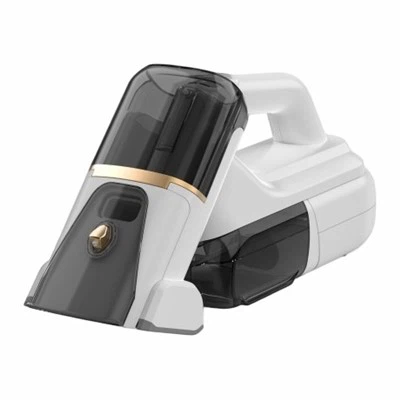
If you’re tired of messing around with home vacs that don’t cut it, or if you need a vacuum that can handle more than just crumbs from your couch, reach out to our team. We can walk you through which model is perfect for your needs, whether you’re cleaning passenger car windshields, semi-truck glass, or even industrial equipment. No pressure, no sales fluff—just real advice from people who’ve been in the vacuum game for years, and know exactly what works (and what doesn’t) for tough cleaning jobs.
Wheeled Carpet and Upholstery Cleaner References
- Automotive Cleaning Technology Association. "Best Practices for Windshield Maintenance and Contaminant Removal." 2022.
- U.S. Department of Energy. "Airflow and Suction Performance of Residential and Commercial Vacuum Cleaners." 2021.
- Professional Detailers Association. "Common Mistakes in Vehicle Interior and Exterior Cleaning." 2023.
Ningbo MLE Electrical Appliance Co., Ltd.
Address: 921 Room, Jinsejiangnan Building, Zhonghe Street, Yinzhou District, Ningbo, Zhejiang, China.
E-mail: Eileen@nbmle.cn
WebSite: https://www.cleaningappliance.com/
