Hey there! I’m a supplier of PET acoustic panels, and today I want to dive into a question that’s been on a lot of people’s minds: Can PET acoustic panels be recycled? PET Acoustic Panels
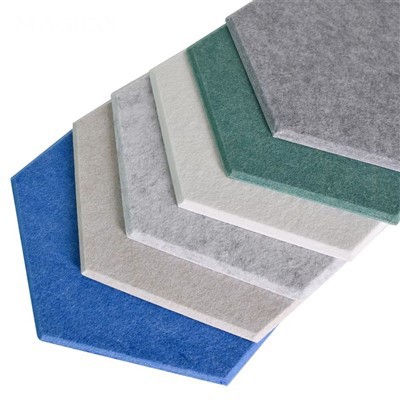
First off, let’s talk a bit about what PET acoustic panels are. PET stands for polyethylene terephthalate, which is a type of plastic. These panels are made from recycled PET bottles, which is already a pretty cool eco – friendly start. They’re great for sound absorption in places like offices, recording studios, and even homes. They can reduce noise, improve the acoustics of a space, and look good while doing it.
Now, onto the big question: recycling. The short answer is yes, PET acoustic panels can be recycled, but it’s not as straightforward as you might think.
The Recycling Process of PET
PET is one of the most widely recycled plastics in the world. The recycling process for PET typically starts with collection. People drop off their used PET products, like bottles and in our case, acoustic panels, at recycling centers. Once at the center, the panels are sorted. They’re separated from other types of plastics and contaminants. This is a crucial step because any impurities can mess up the recycling process.
After sorting, the panels are shredded into small pieces. These pieces are then washed to remove any dirt, labels, or other residues. The clean, shredded pieces are then melted down. The melted PET can be turned into new products. For example, it can be made into new PET bottles, fibers for clothing, or even new acoustic panels.
Challenges in Recycling PET Acoustic Panels
But there are some challenges. One of the main issues is that PET acoustic panels often have additional components. They might have adhesives, coatings, or other materials added to them to improve their acoustic performance or appearance. These extra materials can make the recycling process more difficult. The adhesives and coatings might not be made of the same type of plastic as the PET, so they need to be separated. If they’re not, they can contaminate the recycled PET and make it less useful.
Another challenge is that not all recycling facilities are equipped to handle PET acoustic panels. Some recycling centers are mainly set up to recycle PET bottles. They might not have the right equipment to deal with the larger, more complex panels. This means that finding a suitable recycling facility can be a bit of a hassle.
The Environmental Benefits of Recycling PET Acoustic Panels
Despite these challenges, recycling PET acoustic panels is super important. When we recycle these panels, we’re reducing the amount of plastic that ends up in landfills. Landfills are already overflowing with plastic waste, and PET takes a really long time to break down. By recycling, we’re also saving energy. It takes less energy to recycle PET than to produce new PET from raw materials.
Recycling also helps to conserve natural resources. The raw materials used to make PET come from petroleum, which is a non – renewable resource. By recycling, we’re using less of these precious resources.
Our Role as a Supplier
As a supplier of PET acoustic panels, we have a responsibility to promote recycling. We’re working on making our panels easier to recycle. We’re looking into ways to reduce the use of adhesives and coatings that are difficult to separate during the recycling process. We’re also trying to educate our customers about the importance of recycling our products.
We encourage our customers to recycle their used panels. We’re even exploring the possibility of setting up a take – back program. This would make it easier for our customers to return their old panels to us, and we could then ensure that they’re recycled properly.
How You Can Help
If you’re using our PET acoustic panels, there are a few things you can do to help with the recycling process. First, when it’s time to replace your panels, don’t just throw them away. Try to find a local recycling center that can handle PET. You can call your local waste management office to find out where these centers are.
If you can’t find a local recycling center, reach out to us. We’re always happy to help you figure out the best way to recycle your panels.
Conclusion
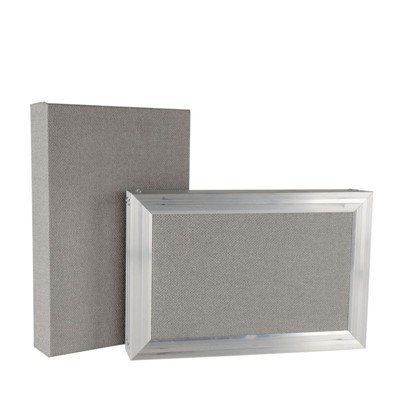
So, to sum it up, PET acoustic panels can be recycled, but there are some challenges. As a supplier, we’re doing our part to make the recycling process easier and more efficient. And as customers, you can play a big role too by recycling your used panels.
Suspended Ceiling Baffles If you’re interested in purchasing our PET acoustic panels for your next project, we’d love to talk to you. Whether you’re looking to improve the acoustics of your office, create a great – sounding recording studio, or just make your home a quieter place, our panels are a great choice. Get in touch with us to discuss your needs and find the perfect solution for you.
References
- American Chemistry Council. "PET Recycling."
- Environmental Protection Agency. "Plastic Recycling."
- Journal of Environmental Science and Technology. "Challenges and Opportunities in Recycling PET Products."
Guangzhou MQ Acoustic Materials Co., Ltd.
Guangzhou MQ Acoustic Materials Co., Ltd. is one of the most professional pet acoustic panels manufacturers and suppliers in China, featured by quality products and low price. Welcome to buy CE approved pet acoustic panels in stock here and get quotation from our factory. We also accept customized orders.
Address: Room D403, KeZhu Business Building, ZhuJi Road, TianHe District, GuangZhou, China
E-mail: Lizzy@mq-acoustics.com
WebSite: https://www.acoustic-projects.com/
