Hey there! I’m a supplier of foot valves, and today I wanna chat about how a foot valve can impact the energy consumption of a pump. It might seem like a small part, but trust me, it can make a big difference. Foot Valve

Let’s start with the basics. A foot valve is a type of check valve that’s usually installed at the bottom of a suction pipe in a pump system. Its main job is to prevent the backflow of liquid when the pump stops running. This might not sound like a huge deal, but it actually has a significant impact on how the pump operates and how much energy it uses.
How a Foot Valve Affects Pump Priming
One of the key ways a foot valve impacts energy consumption is through pump priming. Priming is the process of filling the pump and suction pipe with liquid to create a proper flow. Without a foot valve, the liquid in the suction pipe would drain back into the source when the pump stops. This means that every time you start the pump, you’d have to prime it again.
Priming a pump without a foot valve can be a real pain. It often involves manual or additional mechanical priming methods, which take time and energy. You might have to use a priming pump to get the liquid back into the suction pipe, and this extra equipment uses power. And if you forget to prime the pump properly, it can lead to cavitation – a phenomenon where air bubbles form in the liquid and cause damage to the pump. Cavitation not only shortens the lifespan of the pump but also makes it work harder, using more energy in the process.
On the other hand, when you have a foot valve, it holds the liquid in the suction pipe. This means that when you start the pump, it’s already primed. You don’t have to spend extra time and energy on the priming process. The pump can start working right away, which saves energy and makes the whole operation more efficient.
Reducing Friction and Pressure Loss
Another way a foot valve affects energy consumption is by reducing friction and pressure loss in the pump system. When a pump is operating, it has to overcome the resistance in the pipes to move the liquid. This resistance is called friction loss. If the friction loss is high, the pump has to work harder to maintain the flow, which uses more energy.
A well – designed foot valve can minimize friction loss. Its smooth interior surface and proper shape allow the liquid to flow through it easily. When the liquid can flow freely, there’s less resistance in the system, and the pump doesn’t have to work as hard. This directly translates into lower energy consumption.
Pressure loss is also a factor. When the liquid flows through the foot valve, there’s a certain amount of pressure drop. A good foot valve is designed to keep this pressure drop to a minimum. If the pressure drop is too high, the pump has to generate more pressure to maintain the flow, which again uses more energy. So, by choosing the right foot valve, you can reduce both friction and pressure loss, and save on energy costs.
Preventing Cavitation and Maintaining Efficiency
As I mentioned earlier, cavitation is a big problem in pump systems. It can occur when there’s not enough pressure in the suction pipe, or when air gets into the system. A foot valve helps prevent cavitation by maintaining a proper flow of liquid into the pump.
When the foot valve holds the liquid in the suction pipe, it ensures a continuous supply of liquid to the pump. This helps maintain the pressure in the suction pipe and prevents air from entering the system. Without cavitation, the pump can operate at its optimal efficiency. An efficient pump uses less energy to move the same amount of liquid compared to a pump that’s experiencing cavitation.
Choosing the Right Foot Valve
Now that we know how important a foot valve is for reducing energy consumption, let’s talk about how to choose the right one. There are a few things to consider.
First, the size of the foot valve is crucial. It needs to be the right size for your pump and the suction pipe. If it’s too small, it can restrict the flow of liquid, causing high friction and pressure loss. If it’s too big, it might not work effectively to hold the liquid in the pipe. Make sure to choose a foot valve that matches the specifications of your pump system.
The material of the foot valve is also important. Different materials have different properties in terms of durability, corrosion resistance, and smoothness of the interior surface. For example, stainless – steel foot valves are great for applications where corrosion is a concern. They also have a smooth surface that helps reduce friction. On the other hand, plastic foot valves are lightweight and often more affordable, but they might not be as durable in some harsh environments.
The type of foot valve can also affect energy consumption. There are different types, such as swing – type foot valves and ball – type foot valves. Swing – type foot valves are simple and reliable, but they might have a higher pressure drop compared to ball – type foot valves. Ball – type foot valves are designed to have a lower pressure drop, which can lead to lower energy consumption.
Real – World Impact
Let’s look at some real – world examples to see how a foot valve can impact energy consumption. Suppose you have a small water pumping system for a residential well. Without a foot valve, every time you turn on the pump, you have to prime it manually. This might take a few minutes, and during that time, the pump is using energy but not really moving water effectively.
If you install a foot valve, the pump is always primed. It can start pumping water right away, saving you the time and energy of the priming process. Over time, these small savings can add up to a significant reduction in energy costs.
In a larger industrial setting, the impact can be even more substantial. A big factory with multiple pumps might see a huge difference in energy consumption by installing high – quality foot valves. The reduced friction, pressure loss, and prevention of cavitation can lead to thousands of dollars in energy savings each year.
Conclusion
So, as you can see, a foot valve is not just a simple component in a pump system. It plays a crucial role in reducing energy consumption. By ensuring proper pump priming, reducing friction and pressure loss, and preventing cavitation, a good foot valve can make your pump system more efficient and cost – effective.
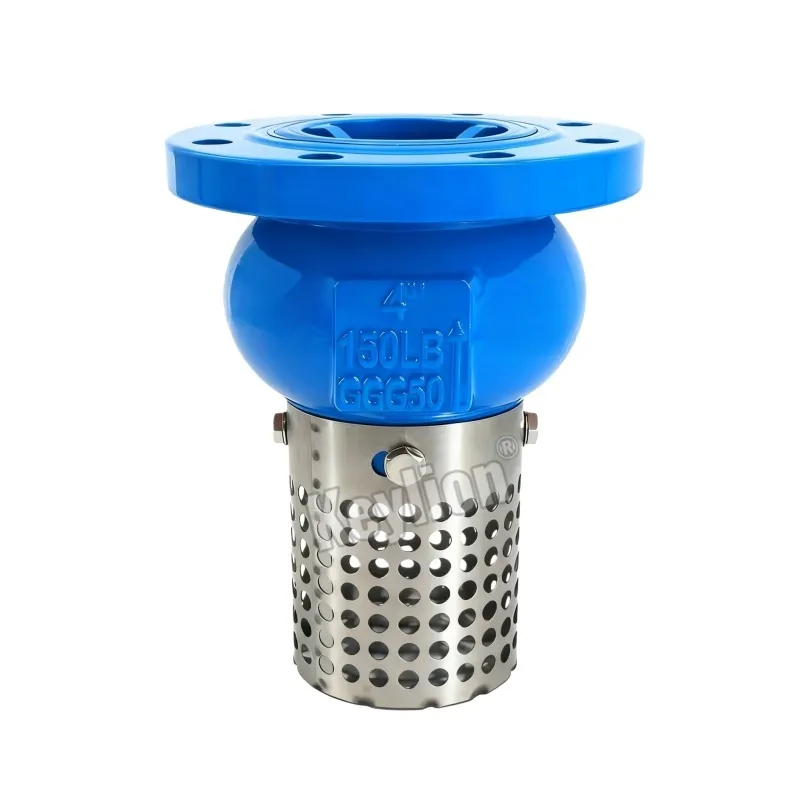
If you’re looking to improve the energy efficiency of your pump system, I’d highly recommend considering a high – quality foot valve. As a foot valve supplier, I have a wide range of options to suit different pump systems and applications. Whether you need a small foot valve for a residential pump or a large one for an industrial setup, I can help you find the right solution.
Y Type Strainer If you’re interested in learning more or want to discuss your specific needs, don’t hesitate to reach out. Let’s work together to make your pump system more energy – efficient and save you some money in the process.
References
- "Pump Handbook" by Igor J. Karassik et al.
- "Fluid Mechanics and Hydraulic Machines" by R. K. Bansal.
Quanzhou Keylion Valve Co., Ltd.
We’re known as one of the most professional foot valve manufacturers and suppliers in China, also support customized service. We warmly welcome you to buy high quality foot valve made in China here from our factory. If you have any enquiry about cooperation, please feel free to email us.
Address: NO.17, JINYUAN, ZHENSHAN VILLAGE, NANAN CITY, FUJIAN PROVINCE
E-mail: sales@keylionvalve.com
WebSite: https://www.keylion-valves.com/
