Hey there! I’m a supplier of flexible plastic pipes, and one of the most common questions I get is, "How do you ensure proper flow in flexible plastic pipes?" Well, I’m here to share some insights and tips that have worked great for me and my customers over the years. Flexible Plastic Pipe
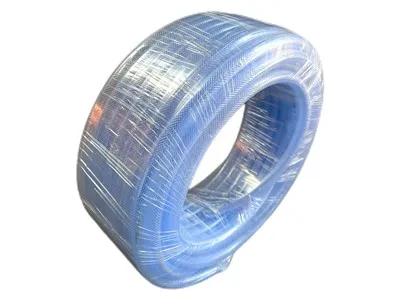
First off, let’s talk about why proper flow in flexible plastic pipes is so important. Whether it’s for water supply in a residential building, irrigation in a farm, or transporting chemicals in an industrial setting, a good flow rate ensures that the system functions efficiently. A poor flow can lead to all sorts of problems, like reduced performance, increased energy consumption, and even potential damage to the pipes themselves.
Quality of the Pipes
The quality of the flexible plastic pipes you use is crucial for proper flow. We always make sure that the raw materials we use are of high quality. The plastic resin we select has to have the right properties, like good flexibility and strength. If the pipe is too brittle, it can crack easily, and if it’s too soft, it might collapse under pressure, both of which can disrupt the flow.
We also pay close attention to the manufacturing process. The pipes are extruded under carefully controlled conditions to ensure a smooth inner surface. A rough inner surface can cause friction, which slows down the flow of the fluid inside the pipe. Think of it like trying to slide a ball down a bumpy road versus a smooth one – the ball will roll much faster on the smooth road.
Pipe Sizing
Getting the right pipe size is another key factor. If the pipe is too small, the fluid will have to force its way through, creating high pressure and reducing the flow rate. On the other hand, if the pipe is too large, the fluid might not flow with enough velocity, which can lead to sediment buildup and other issues over time.
When a customer comes to us, we ask them a bunch of questions to figure out the right pipe size for their application. We need to know things like the volume of fluid that needs to flow through the pipe, the distance it has to travel, and the pressure available at the source. Based on this information, we can recommend the appropriate pipe diameter and wall thickness.
Installation
Proper installation is a make – or – break deal when it comes to ensuring proper flow in flexible plastic pipes. First of all, the pipes need to be laid out in a way that minimizes bends and kinks. Every time the pipe bends sharply, it creates resistance to the flow. We always advise our customers to use gentle curves whenever possible.
The connections between the pipes also need to be done correctly. We use high – quality fittings that create a tight seal. A leaky connection can not only waste fluid but also disrupt the pressure and flow within the system. And when installing the pipes, we make sure they are properly supported. If the pipes sag or hang too much, it can cause uneven flow and potentially lead to blockages.
System Design
The overall system design plays a big role in the flow of flexible plastic pipes. For example, in a multi – pipe system, proper branching and valve placement are essential. If the valves are not positioned correctly, they can restrict the flow in certain parts of the system. We work with our customers to design a system that takes into account the different flow requirements at various points.
We also consider the elevation changes in the system. Fluid flowing uphill obviously needs more energy to move, so we make sure to account for this in the design. Sometimes, we might need to install pumps to boost the pressure and ensure a consistent flow.
Maintenance
Regular maintenance is necessary to keep the flow in flexible plastic pipes in top shape. Over time, debris, sediment, and even biological growth can accumulate inside the pipes, reducing the flow area. We recommend periodic cleaning of the pipes. This can be done using flushing techniques or, in some cases, using special cleaning agents.
We also suggest inspecting the pipes regularly for any signs of damage, such as cracks or leaks. Catching these issues early can prevent major flow problems down the line. And if any parts of the system, like valves or fittings, are showing signs of wear, we advise replacing them promptly.
Dealing with Different Fluids
The type of fluid flowing through the flexible plastic pipes can also affect the flow. For example, if it’s a viscous fluid like oil, it will flow more slowly than water. In such cases, we might need to adjust the pipe size or the pressure to ensure a proper flow.
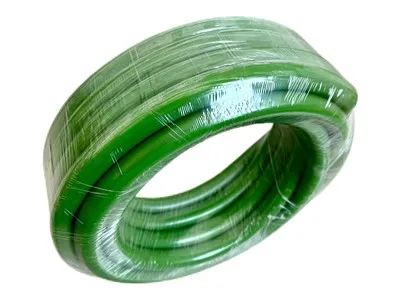
We also need to consider the chemical compatibility of the fluid with the plastic pipe. Some chemicals can react with the plastic, causing it to degrade over time. This can not only weaken the pipe but also change its inner surface properties, affecting the flow. So, we always make sure to recommend the right type of plastic pipe based on the fluid it will be carrying.
PVC Suction Pipe So, there you have it – a bunch of ways to ensure proper flow in flexible plastic pipes. As a supplier, I’m always here to help my customers with choosing the right pipes, getting the system set up correctly, and keeping it running smoothly. If you’re in the market for flexible plastic pipes and want to ensure the best flow for your application, don’t hesitate to reach out. We can have a chat, figure out your needs, and come up with the perfect solution for you. Looking forward to working with you!
References
- Troch, P., & Mulqueen, J. (Eds.). (2008). Plastic Pipes: Materials, Design and Applications. Butterworth – Heinemann.
- ASCE. (2012). Pipelines and Utility Systems: Proceedings of the Pipelines 2012 Conference. American Society of Civil Engineers.
Weifang Xinzhiyuan Plastic Co., Ltd.
As one of the most experienced flexible plastic pipe manufacturers and suppliers in China, we offer a wide range of products with superior quality. Please feel free to wholesale premium flexible plastic pipe made in China here from our factory. We also accept customized orders.
Address: No. 700, Tongle Street, Economic Development Zone, Changle County, Weifang City, Shandong Province
E-mail: hua@xzypvchose.com
WebSite: https://www.pvchose-xzy.com/
