Plain woven fabric is one of the most fundamental and widely used textiles in the world. As a supplier of plain woven fabric, I have witnessed its diverse applications and understand its distinct characteristics intimately. In this blog, I will delve into the various traits of plain woven fabric, which not only make it a staple in the textile industry but also offer unique advantages for different uses. Plain Woven Fabric
Structure and Production
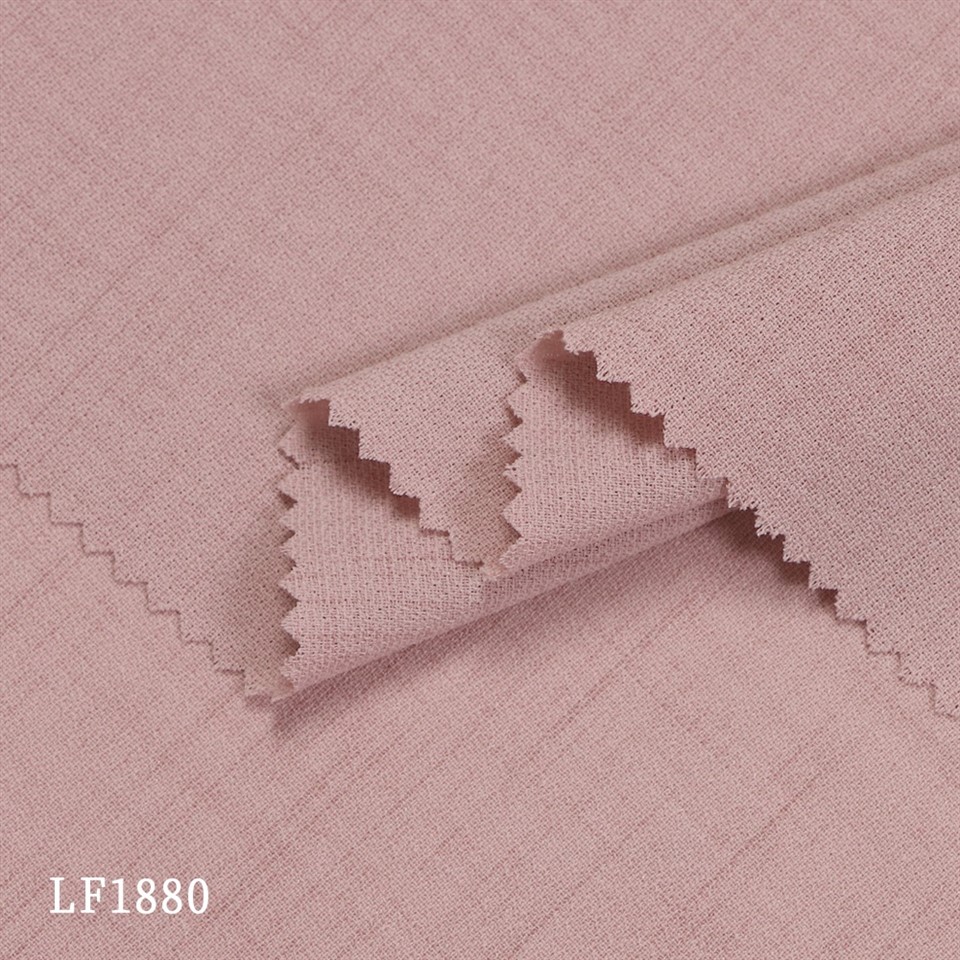
At its core, plain woven fabric is created through a basic interlacing pattern. In a plain weave, each weft thread passes over and then under each warp thread, and vice versa. This simple pattern results in a fabric with a regular, balanced appearance. The consistency of the over – under pattern gives the fabric a relatively flat and smooth surface.
The production of plain woven fabric is relatively straightforward compared to more complex weaves. It requires less complex machinery and can be woven at a relatively high speed, which contributes to its cost – effectiveness. Due to this simplicity in production, large quantities of plain woven fabric can be manufactured efficiently, making it readily available in the market.
Strength and Durability
One of the most notable characteristics of plain woven fabric is its strength. The regular interlacing pattern distributes the stress evenly across the fabric. When a force is applied to the fabric, the individual warp and weft threads work together to resist the pressure. This makes the fabric suitable for a variety of applications where durability is required.
For example, in the manufacturing of workwear, plain woven fabric can withstand the rigors of daily work. It resists abrasion well, meaning it can endure repeated rubbing and friction without quickly wearing out. In addition, the fabric’s strength also allows it to hold up well during washing and drying processes, maintaining its integrity over time.
Texture and Handfeel
The texture of plain woven fabric can vary depending on the type of fibers used and the yarn count. Generally, it has a smooth and even texture. When made from fine yarns, the fabric can be quite soft to the touch, providing a comfortable wearing experience. On the other hand, if coarser yarns are used, the fabric may have a more robust and textured feel.
This variety in texture makes plain woven fabric versatile. For high – end garments such as dress shirts, fine – spun plain woven cotton or silk fabrics offer a luxurious and smooth handfeel against the skin. In contrast, coarser plain woven fabrics made from linen or heavy – cotton are often used for more casual or functional items like tote bags or aprons, where a sturdier texture is preferred.
Breathability
Breathability is a crucial characteristic, especially for fabrics used in clothing. Plain woven fabric excels in this aspect. The open structure created by the simple over – under interlacing allows air to circulate freely through the fabric. This means that when worn, the fabric can help keep the body cool and dry by allowing heat and moisture to escape.
Cotton plain woven fabric, for instance, is a popular choice for summer clothing because of its excellent breathability. It absorbs perspiration and releases it into the air, preventing the feeling of stickiness and discomfort. In addition, the breathability of plain woven fabric also makes it suitable for use in bedding and upholstery, where a comfortable and airy environment is desired.
Dyeability and Printability
Another advantage of plain woven fabric is its excellent dyeability and printability. The relatively smooth and even surface of the fabric provides an ideal canvas for dyes and prints. Dyes can penetrate the fabric evenly, resulting in rich and vibrant colors. Whether it is a solid color or a multi – colored print, the fabric can hold the design well.
For the fashion industry, this characteristic is highly valuable. Designers can create a wide range of colorful and eye – catching patterns on plain woven fabric, from simple geometric shapes to elaborate floral prints. The fabric’s ability to retain color also means that the prints and dyes are long – lasting, even after repeated washing.
Drape and Flexibility
Plain woven fabric has good drape, which refers to how the fabric hangs and flows. The balanced interlacing pattern allows the fabric to fall gracefully, creating a flattering silhouette. This makes it a popular choice for creating garments that require a certain amount of fluidity, such as skirts and dresses.
Moreover, the fabric is flexible and can be easily manipulated. It can be folded, pleated, and sewn into various shapes without losing its structure. This flexibility makes it suitable for a wide range of manufacturing processes and design possibilities, whether it is for creating tailored suits or free – flowing blouses.
Versatility in Applications
The above – mentioned characteristics contribute to the versatility of plain woven fabric. In the fashion industry, it is used to make everything from basic T – shirts and underwear to high – end evening gowns. Its durability and breathability make it suitable for everyday wear, while its ability to hold color and print allows for creative design.
In addition to clothing, plain woven fabric has numerous other applications. In the home textile sector, it is used for curtains, tablecloths, and bed sheets. Its strength and dyeability ensure that these items can withstand regular use and still look great. In the industrial field, plain woven fabric can be used as a base material for filters, conveyor belts, and even in some forms of reinforced materials.
Conclusion
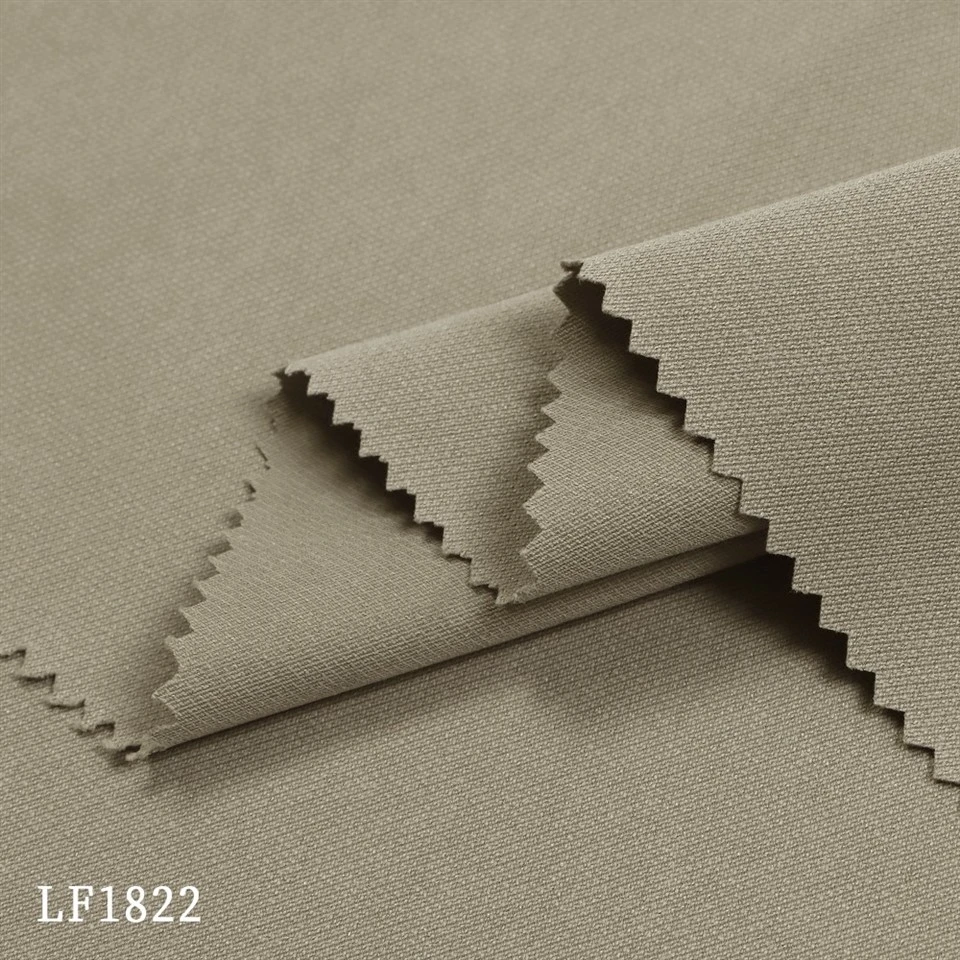
As a supplier of plain woven fabric, I am constantly reminded of the importance of these characteristics in meeting the diverse needs of our customers. The simplicity of its structure, combined with its strength, breathability, dyeability, and versatility, makes plain woven fabric a timeless and indispensable material in many industries.
Cavalry Twill If you are in the market for high – quality plain woven fabric for your clothing line, home textile business, or industrial applications, I invite you to contact me for a detailed discussion. Our fabric is produced with the highest standards, ensuring that you get the best in terms of quality and performance. Whether you need a small sample to start or a large – scale production order, I am here to assist you every step of the way. Let’s work together to bring your ideas to life with our top – notch plain woven fabric.
References
- Textile Institute. The Textile Institute’s Handbook of Yarn and Fabric Manufacture. Woodhead Publishing, 2006.
- Gordon, P. Principles of Weaving. Pearson Education, 2008.
- Behre, A. A. Textiles: Fiber to Fabric. McGraw – Hill Education, 2010.
Shaoxing Huichao Textile Co., Ltd.
As one of the most professional plain woven fabric manufacturers and suppliers in China, we offer a wide range of products with superior quality. Please feel free to wholesale bulk high-end plain woven fabric in stock here from our factory. Good service and reasonable price are available.
Address:
E-mail: darrenzhong@huichaotextile.com
WebSite: https://www.huichao-textile.com/
