Can a fiber filter remove bacteria and viruses? Fiber Filter
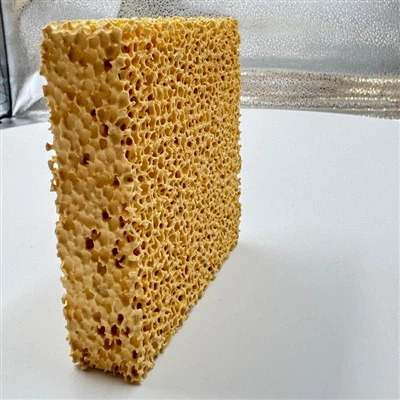
As a supplier of fiber filters, I often encounter customers asking whether our fiber filters can effectively remove bacteria and viruses. This is a crucial question, especially in today’s environment where health and safety are of utmost concern. In this blog, I will share some insights based on scientific knowledge and our practical experiences to help you understand the capabilities of fiber filters in dealing with bacteria and viruses.
Understanding Fiber Filters
Fiber filters are a type of filtration device that use fibrous materials to trap particles. These fibers can be made from various materials such as glass, cellulose, or synthetic polymers. The basic principle of a fiber filter is to create a physical barrier that captures particles as fluid (either air or liquid) passes through. The efficiency of a fiber filter depends on several factors, including the fiber diameter, density, and the structure of the filter media.
How Fiber Filters Work Against Particles
When fluid containing particles flows through a fiber filter, several mechanisms come into play to capture the particles. The first is direct interception. Larger particles, which are bigger than the spaces between the fibers, are simply blocked and caught by the fibers. This is a straightforward mechanical process.
The second mechanism is inertial impaction. Particles with sufficient mass tend to follow a straight – line path due to their inertia. When the fluid changes direction as it passes through the filter, these particles collide with the fibers and are trapped.
The third mechanism is diffusion. Smaller particles, especially those in the sub – micron range, move randomly due to Brownian motion. This random movement increases the chance of them coming into contact with the fibers and being captured.
Can Fiber Filters Remove Bacteria?
Bacteria come in a wide range of sizes, typically ranging from about 0.5 to 5 micrometers. Most high – quality fiber filters are designed to capture particles in this size range. For example, a fiber filter with a pore size of 1 micrometer or less can effectively trap many common bacteria.
In water filtration applications, fiber filters can be used as a pre – treatment step to remove a significant amount of bacteria. By removing bacteria at an early stage, it can reduce the load on subsequent disinfection processes such as chlorination or ultraviolet (UV) treatment. In air filtration, fiber filters are also widely used in HVAC systems to prevent the spread of bacteria – laden aerosols.
However, it’s important to note that the removal efficiency of bacteria by fiber filters is not 100%. Some bacteria may be able to pass through the filter, especially if the filter is clogged or if the bacteria are in a very small form or attached to smaller particles. Additionally, the filter’s performance can degrade over time as it accumulates particles, so regular maintenance and replacement are necessary to ensure continued effectiveness.
Can Fiber Filters Remove Viruses?
Viruses are much smaller than bacteria, typically ranging from about 20 to 300 nanometers. Removing viruses with fiber filters is more challenging compared to bacteria. Most standard fiber filters have pore sizes that are too large to directly capture viruses.
However, some advanced fiber filter technologies have been developed to target virus removal. For example, nanofiber filters, which have extremely fine fibers with diameters in the nanometer range, can provide a more effective barrier against viruses. These nanofiber filters can capture viruses through a combination of the mechanisms mentioned earlier, along with electrostatic attraction. Some fiber filters can also be coated with antiviral agents to enhance their virus – removal capabilities.
In air filtration, high – efficiency particulate air (HEPA) filters, which are a type of fiber filter, can capture a significant amount of virus – laden aerosols. In water treatment, ultra – fine fiber filters can be used in combination with other disinfection methods to reduce the virus concentration in water.
Factors Affecting the Performance of Fiber Filters Against Bacteria and Viruses
- Filter Design: The design of the fiber filter, including the fiber arrangement, density, and thickness, plays a crucial role in its performance. A well – designed filter with a high surface area and appropriate pore size distribution can capture more bacteria and viruses.
- Flow Rate: The rate at which the fluid passes through the filter affects the contact time between the particles and the fibers. A lower flow rate generally allows for more effective particle capture, as the particles have more time to interact with the fibers.
- Particle Characteristics: The size, shape, and surface properties of bacteria and viruses can influence their capture by fiber filters. For example, some viruses may have a more slippery surface, making them more difficult to trap.
- Environmental Conditions: Temperature, humidity, and the presence of other contaminants in the fluid can also impact the performance of fiber filters. High humidity, for instance, can cause the fibers to clump together, reducing the filter’s efficiency.
Our Fiber Filters and Their Capabilities
As a fiber filter supplier, we offer a wide range of fiber filters designed to meet different needs. Our standard fiber filters are effective in removing a large proportion of bacteria in both air and water applications. For customers who require virus removal, we have developed advanced nanofiber filters with enhanced virus – capture capabilities.
Our filters are manufactured using high – quality materials and strict quality control processes. We conduct regular testing to ensure that our filters meet or exceed industry standards for particle removal. We also provide detailed technical support to our customers to help them select the most suitable filter for their specific requirements.
Conclusion
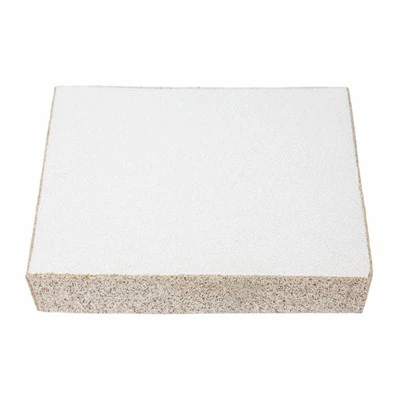
In conclusion, fiber filters can play an important role in removing bacteria and viruses, but their effectiveness depends on various factors. While they can significantly reduce the concentration of these microorganisms, they are often used in combination with other disinfection methods for optimal results.
Alumina Ceramic Foam Filter If you are looking for a reliable fiber filter solution for your application, whether it’s for water treatment, air purification, or other industries, we are here to help. Our team of experts can provide you with in – depth information about our products and assist you in choosing the right filter. Contact us today to start a discussion about your filtration needs and explore how our fiber filters can meet your requirements.
References
- Brown, R. C. (2000). Air Filtration: An Integrated Approach to the Theory and Applications of Fibrous Filters. Pergamon.
- Crittenden, J. C., Trussell, R. R., Hand, D. W., Howe, K. J., & Tchobanoglous, G. (2012). Water Treatment: Principles and Design. Wiley.
- Hinds, W. C. (1999). Aerosol Technology: Properties, Behavior, and Measurement of Airborne Particles. Wiley.
Shanxi Dingtai Yinrui Filter Manufacturing Co., Ltd.
As one of the most professional fiber filter manufacturers and suppliers in China, we’re featured by quality products and good service. Please feel free to buy high-grade fiber filter made in China here from our factory. Contact us for more details.
Address: Plant 1-2, No.3 Xuhu Business and Trade Industrial Park, Houma Economic Development Zone, Linfen, Shanxi, China
E-mail: tina@dtcastingfilters.com
WebSite: https://www.dingtaifilter.com/
