Hey everyone, and welcome to another quick chat from your go-to rubber seals supplier. Today, I wanna break down something I get asked all the time: Are there any environmental requirements for using rubber seals? Like, yeah, I know seals are just those little rubber rings or gaskets that keep stuff from leaking—but trust me, picking the wrong one for your environment is a fast track to headaches. We’ve all had customers reach out saying their seals started leaking way too soon, and 9 times out of 10, it’s because they didn’t account for where the seal’s actually working. Let’s dive into this, keep it real, no boring jargon. Rubber Seals

First off, let’s start with the basics: rubber seals are made from different rubber compounds, right? Each one’s built to handle a specific set of conditions. If you toss a seal into an environment it’s not designed for, it’ll degrade, crack, swell, or just give up way before it should. That’s not just annoying—it can mess up whole systems. Like, if you’re using seals for industrial pumps? A leak there can mean downtime, wasted materials, even safety hazards. So yeah, environment matters big time.
Let’s talk about temperature first, because that’s probably the most common one people miss. Think about it: if your seal is on a car engine, it’s sitting somewhere that hits 200°F (93°C) easy, maybe even higher in extreme conditions. If you grab a regular nitrile seal for that? It’ll get soft and melt a little at high temps, or get brittle and crack if it’s in a super cold environment, like a freezer line or a winter truck component. What are the rules here? Most compounds have a temp range printed right on them. For example, EPDM rubber can handle way lower temps than nitrile—like down to -60°F (-51°C) for some grades, which is why we use it a lot for outdoor parts in cold climates. Silicone? Great for high temps, up to 500°F (260°C), but don’t use it for fuel lines—it swells like crazy when it touches gas. That’s a common mix-up.
Next up, chemical exposure. This is another huge one, and I swear half the calls I get are about this. If your seal is sitting next to chemicals, oils, solvents, or even certain foods (if it’s for food and beverage), the rubber’s gotta be resistant to that specific stuff. Let’s say you’re handling hydraulic fluid: nitrile is your go-to here, it’s basically made to resist petroleum-based oils. But if you’re working with acids or bases, nitrile won’t cut it—you need something like Viton or fluorocarbon, which can stand up to way harsher chemicals. And don’t even think about using a regular seal for food equipment. FDA-approved compounds like food-grade EPDM or silicone are non-toxic, so they won’t leach into what you’re making. We once had a customer who used a regular seal on a beer line—turns out the rubber was leaching a weird taste, so they had to shut down production for a week. Lesson learned: check the chemicals first, not after.
Moisture and humidity are another pair that people sleep on. If a seal’s outdoors, or in a marine environment, constant moisture and salt air can cause corrosion, but also break down the rubber itself. EPDM is super resistant to water and UV, so it’s perfect for window seals, roofing gaskets, even boat parts. But if you’re in a place with super high humidity year-round, like a tropical climate, you might want to go for a compound with better moisture resistance, or even add a thin coating if needed. Wait, and salt water? Yeah, don’t use regular rubber there. We have special marine-grade seals that are tested to hold up against saltwater corrosion, so they don’t swell or get damaged over time. We had a fishing gear supplier test our regular vs marine seals last year—after 6 months in saltwater, the regular ones were leaking, the marine ones were good as new. That’s the kind of difference we’re talking about.
UV and ozone exposure, especially for outdoor applications. If your seal is on a patio door, a solar panel, a trailer light, something that’s out in the sun all day? Regular rubber will break down fast. UV rays make rubber turn brittle, crack, and fall apart. Ozone, which is in the air especially around industrial areas or power plants, does the same thing. So what works here? EPDM again—it’s got great UV and ozone resistance. Or neoprene, which is another common outdoor compound. We don’t recommend using standard nitrile for outdoor stuff because it breaks down in the sun in like a year, max. I’ve seen customers put nitrile door seals on their garage and they’re cracked and peeling in 12 months, when EPDM would last 5+ years. Worth the extra upfront cost, trust me.
Wait, what about pressure? That’s more of a system thing, but it ties into environment too. If your seal’s in a high-pressure hydraulic system, or a gas line that’s under pressure, the rubber needs to be rigid enough not to squeeze out of the gap between two parts. Low-pressure applications, like a water pipe under your sink, don’t need as much, but high-pressure? You might need a reinforced rubber seal, or a compound with higher tensile strength. For example, our high-pressure nitrile seals can handle up to 10,000 PSI, which is way more than regular ones. If you use a regular seal for high pressure, it’ll blow out, cause a leak, and that’s messy.
Also, let’s not forget about the media itself, like if it’s a gas vs a liquid. Gases can seep through rubber way easier than liquids, so if you’re sealing natural gas or propane, you need a seal that’s gas-impermeable. Viton is great for that, or butyl rubber—we use butyl a lot for gas tanks, because it doesn’t let the fuel vapor escape. That’s not just environmental for the seal, it’s environmental for the actual planet too—less vapor means less emissions. Win-win.
Now, here’s the thing: most people think “a seal’s a seal” and just grab the cheapest one, but that’s where problems start. At our company, we don’t just sell you a rubber seal and send you on your way—we ask you a bunch of questions upfront. Where is this seal going? What’s it touching? What’s the temperature, pressure, environment like? Because we can recommend the right compound for your specific job. For example, if you need seals for a food processing plant, we don’t just sell you any EPDM—we make sure it’s FDA-grade, meets all the food safety standards, and is resistant to whatever food product they’re working with (like acidic fruit vs dairy). If you need seals for oil and gas equipment, we have industrial-grade Viton that’s tested for extreme temps and chemicals. We even work with customers who have weird, custom environments—like some pharmaceutical manufacturing that uses super harsh solvents, we can make custom seals for that too.
I wanna mention a common mistake I see: trying to make one seal work for multiple environments. I had a customer last year who used the same seals for his farm’s irrigation system and his truck’s engine. The irrigation ones were fine, but the engine seals blew out in the summer heat because they weren’t made for that high temp. He ended up having to replace half his engine, and it was all because he tried to cut corners. Now he comes to us first for everything.
Another thing: testing. A lot of us suppliers don’t mention this, but good seals should be tested for the environment they’re going into. We do accelerated aging tests for all our seals—like exposing them to high heat, chemicals, UV, whatever they’ll face in real life, to make sure they last. That’s how we know our EPDM window seals last 10 years outdoors, not 1. We also test for compatibility, so if you tell us what chemical the seal will touch, we can run a compatibility test to make sure it doesn’t swell, shrink, or break down. That’s worth the extra step, trust me.
Wait, what about storage? That’s part of the environment too! A lot of people buy seals and store them in a garage or a hot warehouse for months before using them. If you store them in a super hot, humid place, or in direct sun, they’ll degrade even before you install them. The best way to store rubber seals is in a cool, dry place, away from chemicals and sunlight, in their original packaging. Don’t stack heavy stuff on top of them, either—pressure can deform them. We always remind customers of that when they order, because a lot of people forget.
Let’s wrap this up. The short answer to “are there environmental requirements for using rubber seals?” is a resounding yes. Not every seal works everywhere, and picking the wrong one leads to leaks, downtime, wasted money, even safety issues. The key is to match your seal compound to your specific environment: temp, chemicals, moisture, UV, pressure, all of it. At our company, we don’t just sell you a product—we help you pick the right one, so you don’t have to deal with headaches later.
If you’re working on a project, whether it’s for a car, a factory, a food plant, a boat, whatever, and you need rubber seals that are built for your environment, hit us up to chat. We can answer any questions, send you samples, help you figure out exactly what you need. No pushy sales stuff, just real advice from people who’ve been in the rubber seal game for years.
Wait, before I go, let me just leave you with a quick recap to make sure you don’t forget: 1) Know your temp range, 2) Match the chemical exposure, 3) Account for moisture/UV/ozone, 4) Check pressure and media type, 5) Store your seals right. That’s the 5 basics of getting this right. Trust me, follow those, your seals will last way longer, and you’ll save yourself so much hassle.
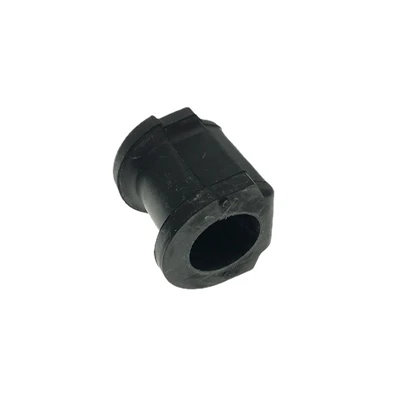
Thanks for sticking around—hit us up for your seal needs, whatever your environment is.
Rubber End Gasket References
- "Rubber Seal Compatibility Guide", Rubber Manufacturers Association, 2022.
- "Environmental Factors Affecting Elastomer Performance", Society of Tribologists and Lubrication Engineers, 2021.
- FDA Food Contact Substance Notifications, U.S. Food and Drug Administration, 2023.
- "Marine-Grade Elastomers for Saltwater Applications", American Boat and Yacht Council, 2020.
- "Temperature and Pressure Limits for Hydraulic Seals", Hydraulic Institute, 2022.
Anhui Anling Rubber & Plastic Co., Ltd.
We are one of the most professional rubber seals manufacturers and suppliers in China, featured by quality products and good service. Please rest assured to wholesale bulk rubber seals in stock here and get quotation from our factory. We also accept customized orders.
Address: 3.9-Square-Kilometer Industrial Park in the Development Zone, Anqing City, Anhui Province
E-mail: anhuianling@126.com
WebSite: https://www.anhuianling.com/
